
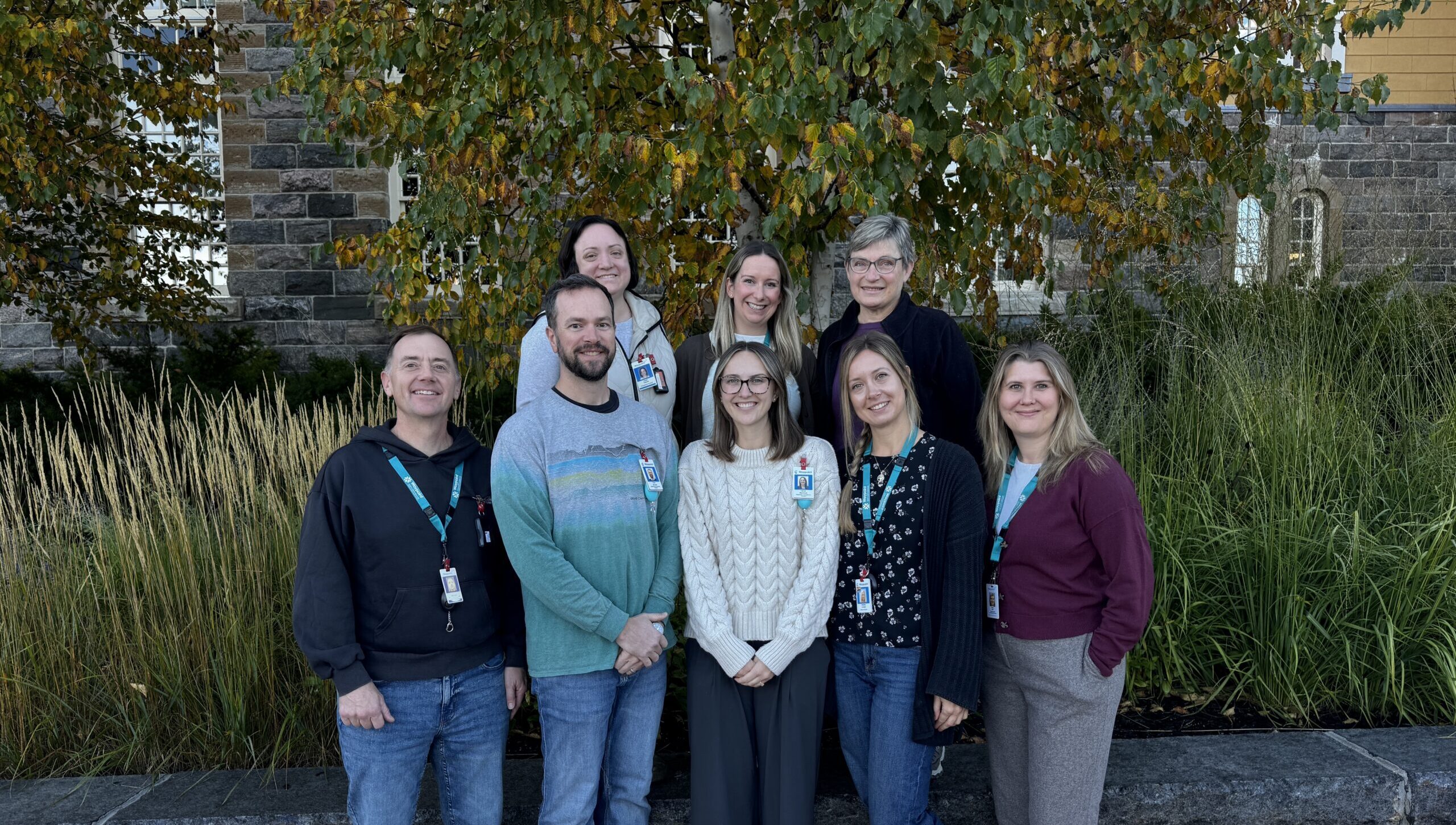
On World Occupational Therapy Day, Waypoint Centre for Mental Health Care is recognizing the occupational therapists who help patients build the skills, confidence and independence to participate in everyday life and take meaningful steps toward recovery.
When people think of occupational therapy, they may picture support with mobility, physical rehabilitation or returning to work. While these can be important parts of the profession, occupational therapy encompasses much more.
“Occupational therapists help people get back to living their lives. We work alongside patients to overcome barriers that prevent them from participating in everyday activities, whether that’s managing personal care, returning to work or school, developing healthy routines, or engaging in hobbies and interests that bring meaning and purpose to their day.”
At its core, occupational therapy focuses on helping people participate in the activities they need, want and are expected to do. From personal care and household responsibilities to social connections, hobbies and community involvement, these everyday activities play an important role in our health, well-being and sense of purpose.
For individuals experiencing mental health challenges, participating in these activities isn’t always easy. Symptoms of mental illness, changes in cognitive functioning, physical health concerns and environmental barriers can affect a person’s ability to maintain routines, manage responsibilities and engage in activities they find meaningful.
At Waypoint, occupational therapists work alongside patients to identify these challenges and develop practical, individualized strategies that support their recovery.
Supporting the whole person
Occupational therapy in mental health care takes a holistic approach, recognizing the connection between a person’s physical, cognitive, emotional and social well-being.
Rather than focusing solely on a diagnosis or symptom, occupational therapists consider how a person’s health, abilities and environment influence their participation in daily life.
“OT in mental health addresses the multi-facetted nature of human beings. We look at the various aspects of the person, their environment, and the things they want to, need to, or are expected to do and try to break down the barriers that they may have in participating or engaging in those activities.”
An important part of this work is understanding what matters to each individual. Occupational therapists collaborate with patients to establish meaningful, achievable goals based on their interests, priorities and recovery needs.
Building confidence through everyday activities
Recovery is not always measured by major milestones. Often, meaningful progress happens through everyday activities that others may take for granted.
Establishing a consistent personal care routine, preparing a meal, participating in a recreational activity or independently completing a daily responsibility can represent significant achievements for someone experiencing mental health challenges.
As one occupational therapist explained: “A patient independently taking the bus into town to buy a coffee. What may appear to be an ordinary activity can be a major milestone. For individuals facing challenges such as anxiety or auditory hallucinations, achieving this goal demonstrates courage, growing independence, and increased confidence.”
Occupational therapists help patients work toward these goals by breaking activities into manageable steps, providing opportunities to practice skills and gradually building independence.
These experiences can strengthen confidence, encourage participation and help individuals recognize their own progress. The goal is to help patients develop the skills and confidence to engage in activities that contribute to their quality of life.
Working together to support recovery
Occupational therapists are an important part of Waypoint’s interdisciplinary care teams, working collaboratively with physicians, nurses, social workers and other health care professionals.
Through assessments, observations and therapeutic interventions, they provide valuable insight into how patients function in their daily lives and what supports may help them achieve their recovery goals. This perspective helps inform treatment planning and ensures that care considers not only a person’s clinical needs, but also their ability to participate in meaningful activities.
Occupational therapists also play an important role in preparing patients for life beyond the hospital.
“Occupational therapists help patients develop the skills, confidence, and routines needed to be successful beyond the hospital setting. Whether someone is preparing to return home, move into supportive housing, pursue employment, reconnect with meaningful activities, or strengthen their role within the community, we help them build the practical and coping skills necessary to achieve those goals.”
By focusing on practical, real-world activities, occupational therapists help patients build a foundation for continued recovery and greater independence in the community.
For Waypoint’s occupational therapists, one of the most rewarding aspects of their work is seeing patients make progress toward goals that are personally meaningful.
“I enjoy seeing the positive progress so many patients experience. Supporting the patient as they experience a significant mental health challenge to the point where they are ready to return to the community is rewarding.”
We thank our occupational therapists for their creativity, compassion and dedication to patient-centred, recovery-oriented care.