


Whether you’re formally involved as a Care Partner or staying connected as someone who cares, this page will help you understand your role, how to stay involved in care and where to find support for yourself along the way.
Home Patients & Families Supporting Someone in Care
At Waypoint, families and support people are a vital part of a patient's healing journey.
Declaration of Recovery Values
We will treat people with kindness, dignity and respect.
We will strive to meet the highest possible standards in services and support.
We will include people who receive care in treatment decisions.
We will ensure an accessible and responsive process for concerns, questions and complaints.
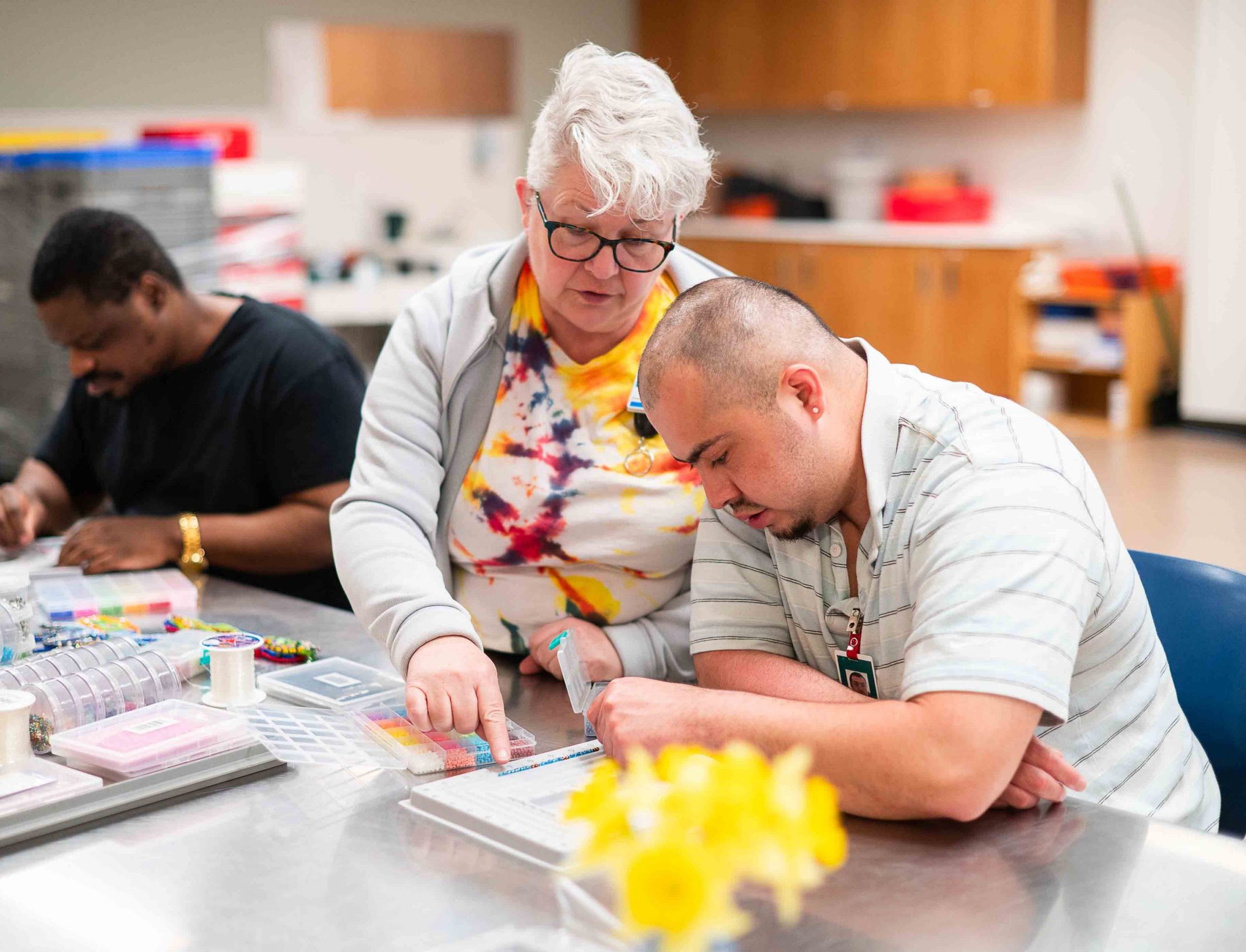
Being Part of the Care Journey
How to Stay Involved
We encourage asking questions, staying updated, and exploring ways to support your friend or family member in their recovery. Starting early makes a real difference.
Every patient has a care team, and most have a social worker, or clinical manager who acts as the main contact for family. Ask who that is and how best to reach them.
Staff can only share health information with people your loved one has agreed to include. If you want to be part of care conversations, ask your loved one (or their Substitute Decision Maker) about being added as a contact, and ask the care team what that process looks like.
Discharge planning often starts at admission. Asking early about timelines, what support will look like afterward, and what’s needed from family gives everyone more time to prepare.
Asking Questions
Mental health care can be confusing, especially the first time. Terminology is unfamiliar, timelines can be unpredictable, and it can be hard to know what to ask and when to ask it.
Our care teams would rather answer a question twice than have you carry uncertainty alone. If you are unsure, reach out.
Some questions to start:
- What does progress look like right now, and how will we know?
- What can I do to help between now and the next update?
- What should I expect discharge planning to involve, and when does it start?
- Who do I contact if something changes or I’m worried?
Not every family member will have the same level of information, and that can be difficult to navigate.
Because of privacy law, staff can only share details with people your loved one has consented to include.
Sometimes, and especially early in a stay, a loved one may not be ready to give that consent. If that’s your situation, staff can still take your contact information, let your loved one know you’ve reached out, and share general information about how things work.
Consent can also change over time, so it’s worth checking back.
Family, Friends & Care Partners
A Care Partner is a support person whose presence is considered essential to the safety and well-being of a patient while they are in the hospital. Most often, they are family or close friends of the patient who typically know the patient’s health history, lifestyle and personal values.
Not every family member or friend who’s involved in someone’s care will hold the formal Care Partner role. Being informally involved is still a meaningful, valuable way to support your loved one.
How is a Care Partner Different from a Visitor?
Visitors
Visitors are people who come to the hospital to have a social visit with a patient. They provide connection, company, and support, but do not have a formal role in the patient’s day-to-day care or care planning.
Care Partner
A Care Partner is a formal role, chosen by the patient or their Substitute Decision Maker (SDM). They provide essential care and support to the patient while they are in the hospital, including closer coordination with the care team.
As a visitor, you can still:
- Visit during regular visiting hours.
- Stay updated on general, non-personal information about how things work at Waypoint.
- Ask the care team questions about process (though details about your loved one’s specific care require their consent to share).
- Access family-facing resources and supports, like the Patient/Client Family Council or caregiver resources.
There’s no single right answer. It depends on what your loved one wants, what kind of support they need, and what role makes sense for your relationship.
Some families have one Care Partner and several other involved family members who visit and stay updated without holding the formal role. Others don’t require a Care Partner at all. If you’re not sure which fits, the care team can talk through it with you.
Care Partners
A Care Partner can assist in many ways, including:
- Helping with eating, mobility and bathing.
- Assisting with communication with staff.
- Providing emotional and cognitive support.
- Advocating for them and supporting their decision-making.
- Participating in planning their care both during their hospital stay and after discharge.
Patients can request a Care Partner before or after being admitted to the hospital.
Requests should be made to the patients care team who can explain next steps.
Is a Care Partner permitted in all cases?
As much as possible, every patient who wants a Care Partner should have access to one. However, there are certain instances and areas where Care Partners may not be permitted for safety reasons.
Staying Connected
Virtual Connection
Care Partners can use technologies like Zoom or FaceTime to provide cognitive and emotional support to their family members or friends. These tools are safe and effective ways to stay connected. Care Partners should talk to the care team about setting up a virtual visit to facilitate this connection.
In-Person Visiting
Care Partners who visit the hospital in person should carefully plan each visit with safety in mind, review any training received beforehand, and aim to complete multiple tasks during a single visit.
Please review visiting policies prior to your visit.
Safety & Infection Prevention
Visiting Information
Substitute Decision Maker (SDM)
If a doctor decides a patient can’t make a specific decision the patient is given a Form 33, which explains that finding. At that point, a Substitute Decision-Maker (SDM) steps in for that specific decision. An SDM:
- Follows rules set out in law.
- Must make the decision the patient would have made if capable, or, if that’s not known, in the patient’s best interest.
More details on Patient Rights and Mental Health Act forms, can be found here:
Looking After Yourself
You don’t have to manage it on your own.
Supporting someone through mental health care can be exhausting in ways that are easy to downplay because the focus is naturally on your loved one. That exhaustion is common, not a sign you’re doing this wrong.
Patient Client and Family Council
Our partner organization, Patient Client and Family Council (PCFC), supports patients and families directly through system navigation, resources, and peer-led support groups. PCFC also represents the client and family voice on hospital committees and in policy work.