The resources below offer information and support for families and caregivers.
Home Patients & Families For Families & Caregivers Older Adult Caregiver Resources
Caring for an older adult can come with questions and challenges.
Information Sessions for Older Adults and Care Partners
FREE | Virtual Sessions | September, 2026 – January, 2027
Join NSM SGS for a series of Information Sessions for Older Adults and Care Partners, open to all caregivers and older adults. Sessions cover topics including fall prevention, medication management, caregiver resources, brain health and emergency planning, with sessions running monthly from September 2026 to January 2027. Attend one session or join them all. Recordings to be available for later viewing.

Our Programs
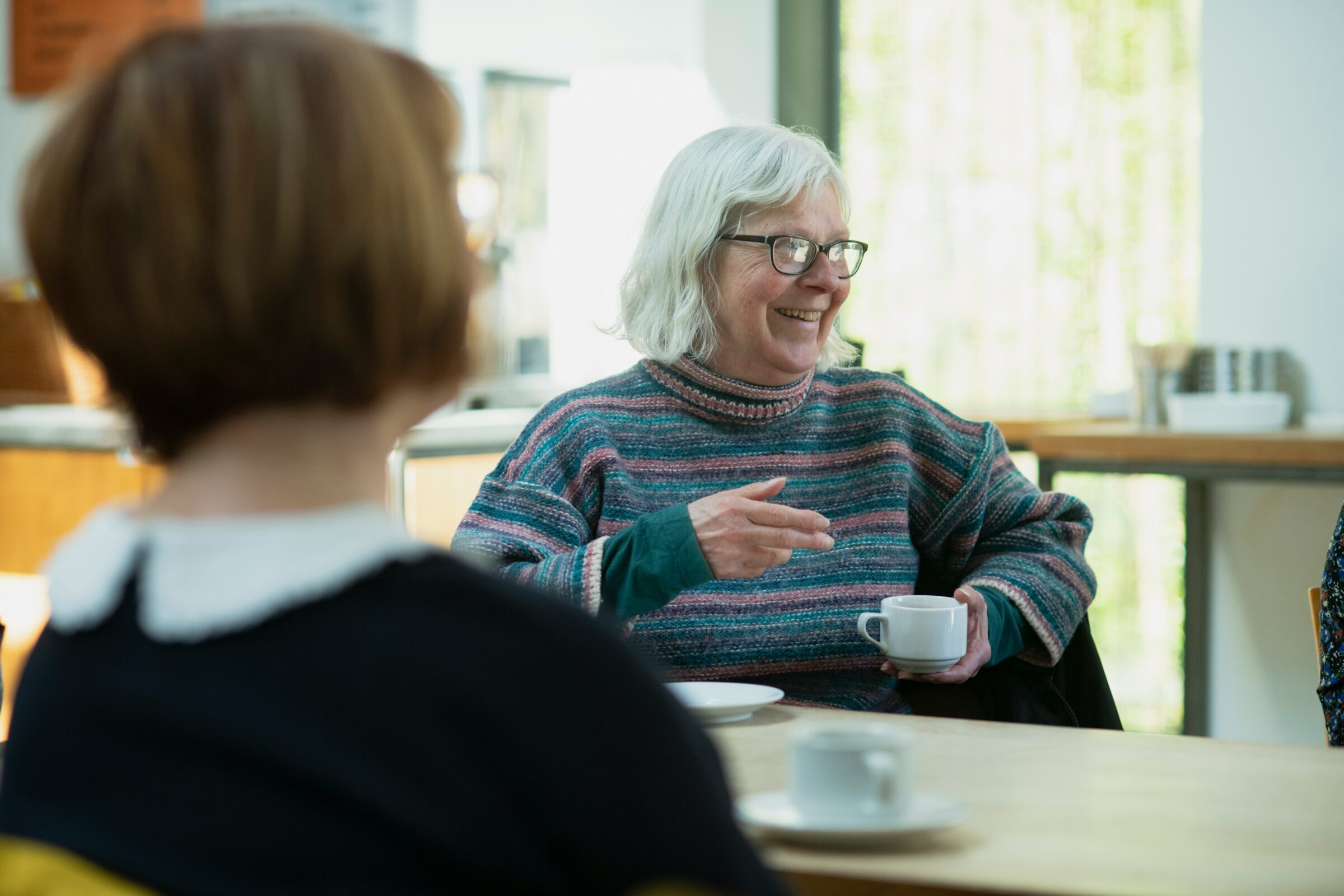
Caregiver Supports
Find resources designed to support you as a caregiver, including practical information, strategies and tools to help manage the challenges of caring for an older adult.
Ontario Caregiver Organization
The Ontario Caregiver Organization (OCO) is funded by the Ministry of Health and exists to improve the lives of Ontario’s 4 million caregivers, giving them the information they need to be successful in their role.
Caregiving Strategies
Caregiving Strategies is a collection of educational resources that have been developed and/or curated for family and friend caregivers who provide care and support for seniors experiencing frailty.
Safety
Everyone has a role to play in keeping older adults safe and preventing abuse. Learn to recognize the warning signs and find information and local resources through the Prevention of Senior Abuse Network Simcoe County.
Aging Well
Resources to assist individuals when addressing lifestyle and care decisions.
Active Aging Canada
Active Aging Canada strives to promote a society where all adult and older adult Canadians are leading active lifestyles that contribute to their overall well-being.
Ministry for Seniors and Accessibility
Information and resources to help older adults and their families access programs, services and supports that promote healthy, active and inclusive aging in Ontario.
Dementia & Cognitive Impairment
Learn about dementia, cognitive impairment and responsive behaviours Responsive behaviours are actions, words or gestures that occur in response to a person's environment, needs or experiences. They can include resistance to care, wandering, calling out, aggression or other changes in behaviour. . These resources can help you understand changes in memory, thinking and behaviour, find practical strategies and support the well-being of an older adult.
Behaviours in Dementia Toolkit
The Behaviours in Dementia Toolkit is an online library of over 300 free resources. The goal of the Toolkit is to help you better understand and compassionately respond to dementia-related changes in mood and behaviour.
Music Therapy
Music therapy can support the mental health and well-being of older adults, including those living with dementia, by providing opportunities for emotional expression, connection and improved mood. Music Therapy Services of Simcoe County works with clients of all ages and with a variety of developmental, neurologic, emotional needs and diagnoses.
Frailty & Physical Health
Learn about frailty Frailty can develop when an older adult becomes more vulnerable to illness, falls, loss of independence or difficulty managing everyday activities. Frail older adults may have several health conditions or changes in mobility, memory, mood or daily functioning. , physical health and changes in function as you age or care for an older adult. These resources can help you recognize changes, understand what they may mean and find ways to support health and independence.
Community Supports
North Simcoe Muskoka Self Management Program
Free self-management workshops to help empower people to take charge of their health, while living with health conditions like: diabetes, heart disease, arthritis, lung disease, and other chronic health issues.
VON Simcoe County
Community-based health and support services for older adults and caregivers, including in-home care, adult day programs, caregiver support, respite and programs that help older adults remain safe and independent at home.
North Simcoe Muskoka Senior Services
Connect with local programs and services that provide support, health care, and recreational and social opportunities designed for seniors.
Social Engagement
Staying socially connected is an important part of healthy aging. Social activities and meaningful connections can help reduce isolation, support mental well-being and give older adults opportunities to stay active and engaged in their communities. Learn more about the importance of social engagement with the toolkit below and get involved with clubs and recreation centres in your area.
Local Active Living Programs
Clubs and Recreation Centres
Georgian Shores Swinging Seniors
A community club for adults 50 and older, offering recreational, fitness, social and educational programs that promote connection, active living and life enrichment. Based in Tiny, ON.
Bayshore Seniors Club
A volunteer-run community club for adults 50 and older, offering social, recreational, fitness and lifestyle activities that support active living, connection and well-being. Based in Tiny, ON.
Collingwood Leisure Time Club
A non-profit community organization for adults 50 and older, offering social activities, fitness and recreation programs, educational opportunities and events that promote connection and community.
Askennonia Senior Centre
A Midland community centre offering social, recreational, educational and fitness programs that support healthy aging, physical well-being and social connection.
FAQs
Specialized Geriatric Services provide assessment, consultation and support for frail older adults with complex health, cognitive, functional or mental health needs. SGS also supports caregivers and works with health care providers to coordinate care.
Services include geriatric medicine, geriatric mental health, medication support, rehabilitation and exercise programs, and consultation and education for caregivers and care providers.
SGS may be appropriate when an older adult has complex or changing needs that are difficult to manage through usual care, particularly when several health or social factors are affecting their ability to remain independent.
Referrals to SGS are generally made by health care providers. Family members and caregivers can speak with the older adult’s family doctor or other health care provider about whether an SGS referral may be appropriate.
The referral is reviewed through SGS Central Intake to determine which service is best suited to the individual’s needs. The older adult and their caregiver may then be connected with the appropriate specialized service.
SGS can help identify strategies, treatments and community supports that may help an older adult maintain their health, function and independence. The goal is to support the individual in their current environment whenever appropriate.
SGS does not provide long-term care placement. The service provides specialized assessment and short-term support and can help identify appropriate services and supports.