Recovery doesn’t end when someone leaves the hospital. Waypoint at Home provides individualized, community-based support to help clients transition home, build independence and stay connected to the people and resources that support their well-being.
Leaving hospital is an important step in recovery, but for many people, the transition home can be a vulnerable time. The right support during this period can help people maintain stability, build independence and stay connected to their communities.
Waypoint at Home is a community-based transitional care program that supports individuals following discharge from Waypoint. The program offers 4, 8 and 16-week care options, including a high-intensity 16-week option for people with more comprehensive needs. Care plans are individualized and can change as a client’s goals and priorities evolve.
A multidisciplinary team including Nurses, Social Workers, Behavioural Support Workers, Personal Support Workers, Occupational Therapists, Physiotherapists, Addiction Counsellors and Psychotherapists, works with clients to build stability and connect them with longer-term community supports. Addiction counselling and psychotherapy are also available virtually.
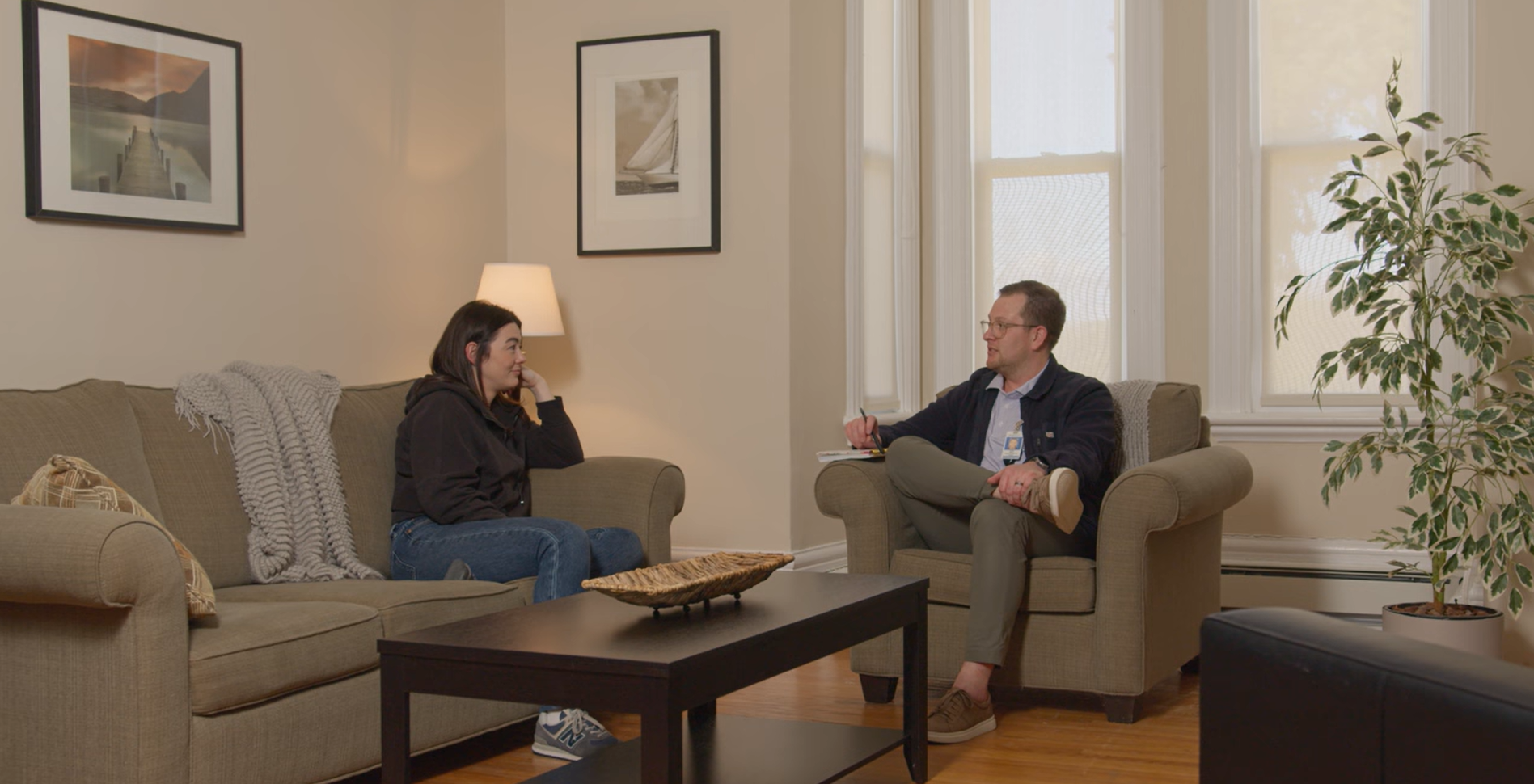
Providing care in the client’s home allows us to understand how they are functioning in their everyday lives and the factors affecting their recovery. It gives us an opportunity to provide support that is directly relevant to their day-to-day experiences.
Julie Pilon, Care Coordinator, Waypoint at Home Program
Seeing care differently
Providing care in someone’s home offers insight that may not be visible in a hospital setting. The team can better understand a client’s daily routines, strengths, challenges and support systems, as well as factors such as housing, finances, social isolation or difficulties with daily activities.
This allows care plans to focus on practical, real-life situations and the client’s individual circumstances.
Being at home also means clients can maintain relationships, routines and activities that are meaningful to them while receiving support. With consent, families and caregivers can be involved, helping strengthen the support network around the client.
Bridging the gap after hospital
Waypoint at Home helps address an important gap between hospital discharge and longer-term community services. When ongoing supports are delayed, people may be at greater risk of becoming unwell again, visiting an emergency department or returning to hospital.
By providing timely, short-term intensive support, the program helps clients remain stable while connecting them with the services and resources they need for ongoing recovery.
This community-based approach is particularly valuable in rural communities, where distance, transportation and other geographic barriers can make accessing specialized care more difficult.
The future of mental health care
Waypoint at Home reflects a broader shift toward mental health care that is flexible, collaborative and delivered where people live. Specialized care does not have to operate in a silo; hospitals, primary care providers, community organizations and support services can work together toward shared goals.
Recovery does not end when someone leaves the hospital. The transition home can be one of the most vulnerable periods in a person’s recovery, and Waypoint at Home helps ensure that clients do not have to navigate that transition alone.
Julie Pilon, Care Coordinator: Waypoint At Home Program
By meeting people where they are and providing individualized support during the transition home, Waypoint at Home helps clients build on their progress, strengthen their independence and connect with the supports they need to remain well.